
Prosocial Development & Education
A prosocial classroom is one where students are helpful, respectful, and cooperative with each other. When students become more prosocial, everyone benefits.
About UsBook Discount! 20% off + FREE Shipping!
Designing a Prosocial Classroom | Christi Bergin | W. W. Norton
Order 10+ books to receive 45% off bulk pricing!
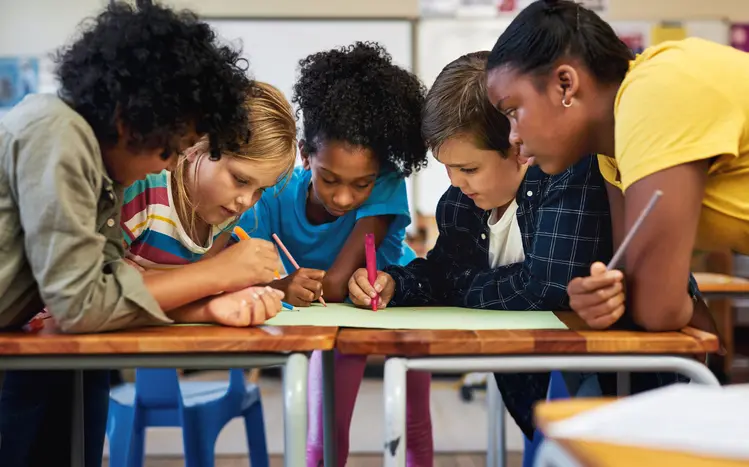
The Power of a Prosocial Classroom
Educators of any grade level and any subject area can use practical Prosocial Ed strategies. We offer effective tools that help improve the classroom climate through positive teacher-student interactions.
- Students feel greater belonging, are more engaged, and earn higher grades and test scores
- Teachers feel greater job satisfaction, less burnout, and have more time to teach academic content
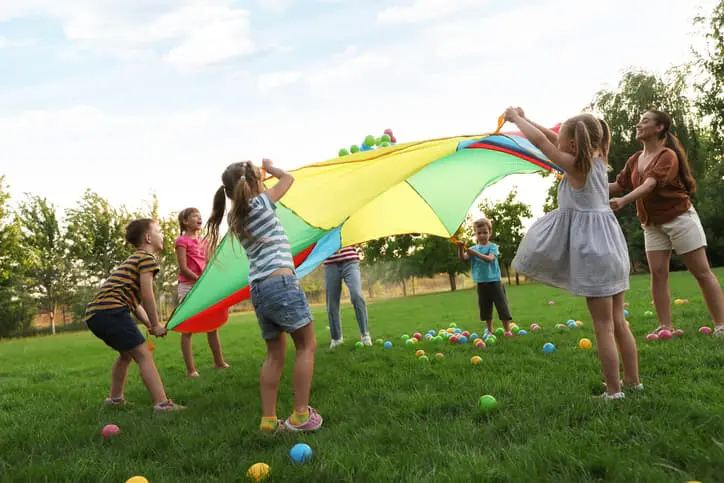
Our Approach
Prosocial Education refers to educators intentionally helping students become kinder with each other and more engaged in learning at school. We focus on 4 strategies, which we call the pillars of prosocial education: Inductive Discipline, Praise, Teacher-Student Relationships, and Emotionally Upbeat classrooms.
Why Prosocial Ed?The Prosocial Pulse
View Our Full BlogEvidence Based Research & Results
ProsocialEd strategies were developed and studied by the nation’s premiere Prosocial Development & Education Research Lab at the University of Missouri (MU). Based on 50 years of developmental psychology research, we show that how adults interact with children influences their development of self-control, empathy, and prosocial behavior.
Learn MoreOur Affiliates



Follow Us On Instagram
Follow Us
Christi Bergin explains why her book, Designing a Prosocial Classroom, is now more important than ever.
According to an Education Week poll, most (72%) teachers report worsening student behavior, which interferes with teaching, takes away from vital instructional time, and stresses teachers. Now more than ever, teachers need practical strategies to improve students` social skills and engagement.
Since the release of the book, Christi and her team have conducted research studies to prove the effectiveness of her practical strategies in the classroom. Through discipline practices, prosocial habits, positive relationship development, and good coping strategies—findings show that students are more engaged and teachers are more emotionally supportive and able to provide higher quality of instruction.
WATCH
https://youtu.be/5qLtS5fxjLE?si=CJ65v4ZSIiRNP0Nh


We just finished our professional video series!
This is the first of a six-part series of videos to explain how teachers can design a caring, collaborative, prosocial classroom. We focus on classrooms, but the principles are relevant to any role you have in working with children at any age.
We’ll discuss practical strategies that can easily improve the climate of your classroom without taking any time from the curriculum or adding extra work. Our approach is called prosocial education!
https://youtu.be/lDWDRcvEWpA?si=Kag9ocfUaMq7IC3V

