
What is Prosocial Education
Professional Development,
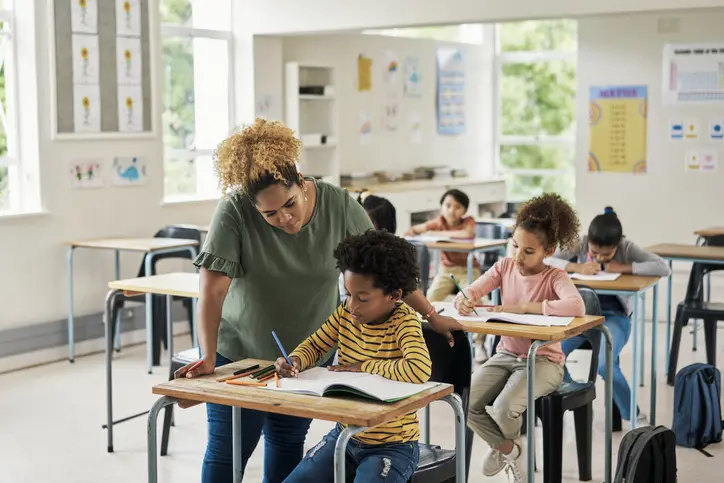
Prosocial education is different than most other social-emotional-behavioral (SEB) approaches that you might be familiar with. Most SEB programs are curricular. This means lessons are added to the schedule. For example, there might be lessons on how to manage one’s emotions or become a better friend. These lessons are typically led by teachers, nurses, school counselors, or other personnel.
In contrast, prosocial education is interactional. This means adults change the way they interact with children. Students learn behavior through naturally occurring interactions with you, and through the way you respond to how students interact with one another. Time is not taken away from academic instruction. Nothing is added to your already full plate.
We want teachers to increase specific praise, replace power assertive discipline with inductive discipline, and develop more positive relationships with students. There is a strong research base behind each of these strategies. By making some small adjustments to the way we talk to and discipline students, our classrooms can become a much happier, kinder, respectful place to be!
One teacher put it this way: “Prosocial strategies will help you, as a teacher, feel less stressed about student misbehavior and feel less burnout. You will feel encouraged about how you are approaching student behavior by helping students realize how their behavior affects others – in a positive way. It feels less ‘blamey’ and ‘gotcha’ and more helping them feel better about themselves and improving their self-image.”




Thinking of Joining?
ProsocialEd strategies were developed and studied by the nation’s premiere Prosocial Development & Education Research Lab at the University of Missouri (MU). Based on 50 years of developmental psychology research, we show that how adults interact with children influences their development of self-control, empathy, and prosocial behavior.
Become a Member Today!